You are aware that your business requires an excellent website. However, it feels overwhelming to decide which approach to use. You read about responsive web design and custom web design. What do you understand by them?
More to the point, which of them suits your company better?
This option affects your bottom line and the perception of customers towards your brand on the Internet. Let us simplify this matter for you. We will look into both choices in detail. With this knowledge, you would be ready to choose the most appropriate website design strategy for your business.
1- What is Responsive Web Design?
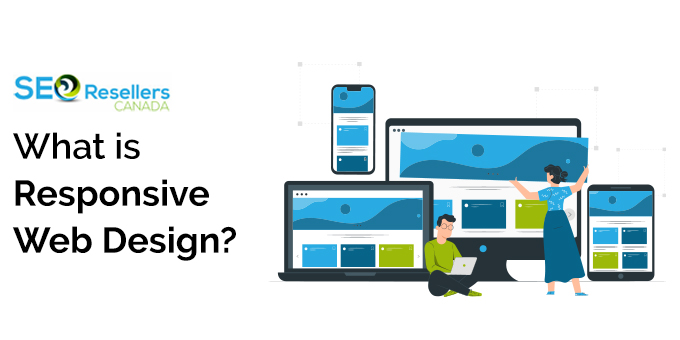
Think of a site that automatically adapts itself. It looks and works uniformly when considered on a large monitor and a small screen of a smartphone. Well, that is responsive web design. Such a web page design is fluid enough to rearrange itself. It changes its structure and aspects to fit the screen size of the device.
In a mobile-first world, such a technique delivers a comfortable experience for all visitors. No more pinching and zooming and clumsy scrolling.
2- How Responsive Design Functions Across Devices?

Responsive websites depend on clever coding skills and techniques like flexible grids. Here, the items resize in proportion of the real estate present on the screen. Also, there are media queries that identify the width of the user’s device. Then, they assign particular CSS styles immediately.
For instance, a three-column desktop design may collapse into a single column on a smartphone. Navigation menus typically become tight “hamburger” icons. The objective is always the same- to provide a proper experience seamlessly. This automatic adaptation is vital for an authentic mobile-friendly design.
2.1- What are the Features of a Responsive Site?
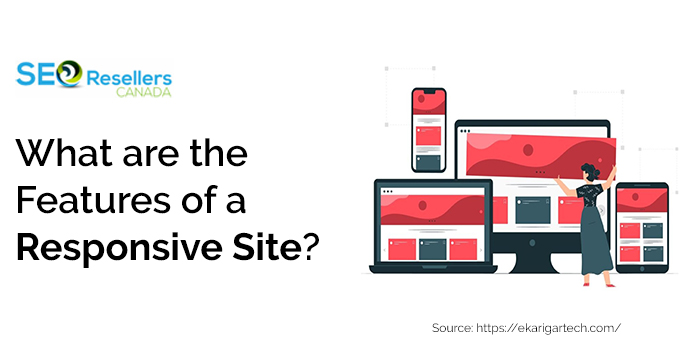
What has made responsive design so popular among many business entities? The advantages are persuasive:
1. One Site, Everywhere: Single website administration. It looks stunning on desktops and mobile phones. No need for a mobile website. This saves enormous amounts of time and money.
2. Affordable: Construction is generally faster and less expensive than full custom building. Most platforms offer responsive templates to start with.
3. Simplified Maintenance: Issues or upgrades are resolved in one location. Modifications are reflected immediately on every device.
4. Future-Proof: Flexible sites adapt to new, average screen sizes. They adapt to changing technology.
5. User Experience (UX) Friendly: There is a consistent brand experience for users. This makes it easy to navigate through and read content, and this increases satisfaction.
2.2- What are the Benefits of Responsive Web Design to UX and SEO?
Responsive design is a search engine and user experience powerhouse. Google itself is a firm believer in it. Here is why:
1. SEO Friendly Web Design: Google employs “mobile-first indexing.” In other words, it mostly examines the mobile version of your site. Having just one responsive URL simplifies and streamlines indexing. You avoid duplicated content problems with individual mobile sites. Uniform performance communicates quality to search engines.
2. Lower Bounce Rates: Frustrated mobile users bounce quickly (“bounce”). A responsive site retains them. Simple navigation and readable text promote longer stays.
3. Shared Link Equity: One URL is linked by every link. This creates stronger domain authority. Authority benefits all your pages to rank higher in search.
4. Faster Mobile Experience (Normally): Responsive websites with good quality load relatively fast on mobile. Remember, page speed optimization remains significant.
3- What is Custom Web Design?

Now, let us talk about the custom design of websites: custom web design. This approach begins your site from the ground up. Designers and developers aren’t starting with pre-made templates. They start from scratch, creating each element specifically for your brand and goals. Think of building a custom home. Architects plan it specifically for your life and land. Similarly, a customized site is crafted with care. It’s designed to your exact business needs, audience, and vision. Everything is custom.
3.1- What are the Key Features of Custom Web Design?

Custom design is a collaborative and complex process:
1. Deep Discovery: Designers discover everything about your business, audience, and goals.
2. Distinctive Design: They develop custom layouts, imagery, and interactions. They are all representative of your brand identity accurately.
3. Customized Development: Developers create the site structure and functionality as per requirements. They code clean, optimized code for your needs.
4. Thorough Testing: Now, a high level of testing guarantees a perfect working process in all browsers and devices.
Need a new user portal? An advanced booking system? Highly technical animations? Custom design delivers. Budget, time, and technology are the only technical limitations.
3.2- What are the Benefits of Custom Web Design?
Templates are easy, but many enterprises prefer going with custom design. The below reasons show why this is the case:
- Completely Unique: Be completely different from everyone else with custom web design. Your site won’t resemble anyone else’s.
- Perfect Fit: Every feature serves your specific business requirement. No forcing your needs into a template box.
- Improved Performance: Websites with clean, optimized code typically load more quickly. For SEO and user retention, speed is essential. Professional page speed optimization is crucial.
- Greater Scalability: The system is designed to scale well with your business. It’s usually easier to add advanced features in the future.
- Competitive Advantage: A unique and high-performing website leaves a positive impression. It exerts a powerful effect on conversions. It’s the optimum conversion focused web design approach.
4- Responsive vs Custom Web Design: What is Different?
Let us put these types of web design against each other:
| Feature |
Responsive Web Design |
Custom Web Design |
| Cost |
Generally lower upfront cost |
Higher initial investment |
| Development Time |
Faster to implement (often weeks) |
Longer process (often months) |
| Flexibility |
Good within template constraints; limited unique features |
Maximum flexibility; tailored to exact specifications |
| Uniqueness |
Can look similar to other sites using the same template |
Completely original and unique to your brand |
| Performance |
Can be good; it depends heavily on template quality & optimization |
Can be exceptional; built for optimal speed and efficiency |
| Best For |
SMEs, startups, blogs, sites needing mobile friendliness fast |
Large businesses, complex needs, brands needing standout presence, conversion focused web design |
5- Which One Should You Pick?

The million-dollar question! You may be asking yourself- should I choose a responsive or custom design for my business? It is not that there is one correct answer. It is all up to your personal circumstances. Consider these factors carefully:
- Your Budget: Responsive design is significantly cheaper upfront. Custom design is very pricey.
- Your Timeline: Want a site up and running fast? Speed comes with responsive templates. Custom design is time-consuming.
- Your Business Size & Complexity: Simple businesses are fine with responsive sites. Sophisticated businesses that require advanced tools typically need custom design.
- Your Brand Aims: Would you like to fit in or stand out? Templates do fit in. Custom is how you stand out.
- Technical Requirements: Straightforward brochure sites? Responsive is fine. Need advanced databases, logins, or unique interactions? Look at the custom design.
- Scalability Plans: Planning for explosive growth or introducing advanced features? A tailored foundation is easier to scale.
To sum it up, we can recommend these options under specific circumstances.
Select Responsive Design if: You require an inexpensive, mobile-optimized site quickly. Your requirements are fairly basic (brochure, blog, basic e-commerce). You’re a small business or startup with budget constraints. Search engine optimization (SEO) performance is highly critical.
Select Custom Design if: You require a genuinely unique and branded online presence. Your website requires sophisticated, custom functionality. You possess aggressive growth plans, including a strong foundation. Hence, performance and conversion focused web design are paramount.
Hybrid Option for Smarter Marketing: Custom responsive design can turn out to be the best of both worlds. In this approach, a site is custom-built from scratch but uses responsive techniques. It ensures it works flawlessly across all devices. Many high-end custom web projects use this approach. This delivers uniqueness and essential mobile compatibility.
6- How to Optimize Web Design for SEO?

Regardless of the approach you take, SEO is important. Follow these simple best practices:
- Mobile-First is Non-Negotiable: Be mobile-first, responsive, or custom, but one thing should be flawless- the mobile experience. Google prioritizes this heavily.
- Blazing Speed: Page speed optimization is the highest priority. Optimize images and activate browser caching. Fast sites rank higher and keep users satisfied.
- Clean, Semantic Code: Organized HTML makes it easier for search engines to comprehend your content. This is simpler with good custom builds, but achievable with good responsive templates.
- High-Quality & Relevant Content: Quality content is still the ruler. Answer questions your audience has well and interestingly.
- Keyword Research & Integration: Accomplish this naturally by using keywords in titles and body copy. Do not stuff keywords.
- Technical SEO Foundation:
- Proper site indexing (sitemaps).
- Repair broken links.
- URLs with descriptions that are optimized for keywords.
- You must use structured data (org).
- Secure Your Site: A basic security requirement that also improves SEO More important for building user trust.
7- Final Thoughts

The debate between responsive vs custom web design boils down to fit. There’s no universal winner. Responsive design offers a smart and affordable path. It gets your business online quickly with a strong mobile-friendly presence. Custom design is an investment in originality and ability. It develops a digital asset that is in line with ambitious objectives.
Do whatever you want to do, but do it base on fundamentals. Design with user experience in mind on every device. Plan with SEO friendly web design as the primary consideration. Never sacrifice page speed optimization. Your website is your virtual shopfront. Make it pleasant, accessible, and efficient. Choose the method that enables your business to function best with your audience and reach your objectives.
8- FAQs: Responsive vs Custom Web Design
8.1- Which design should I use on my business, responsive or custom?
Keep your budget and requirements in mind. Opt for responsive web design when you require a good, mobile-supportive site in a hurry and at a lower cost, particularly for fundamental functionality. Go for custom web design when you require a fully custom site, premium features, have a higher budget, and require full control and scalability in the long term.
8.2- What is the best website design to use when doing SEO?
Both responsive web design and well-built custom web design (often using responsive techniques) can be excellent for SEO. Google strongly prefers a mobile-friendly design. A single URL structure (used by responsive sites) simplifies SEO. Custom sites built with clean code and speed in mind can also rank exceptionally well. The key factors are mobile-friendliness, fast loading times (page speed optimization), quality content, and strong technical SEO – achievable with both approaches when done correctly. Avoid separate mobile sites.
8.3- What is the best web design for search engine optimization?
Both good responsive web design and properly constructed custom web design can work very well for SEO. Google highly favours a mobile-friendly design. Having one URL structure for everything (employed by responsive sites) makes SEO easier. Clean code and speed as the top priorities in custom sites can also work very well. The most important considerations are mobile-friendliness, fast page loading (page speed optimization), good content, and good technical SEO – both methods can make this work if done well. Prevent duplicate mobile sites.