Are you worried because your website traffic has suddenly dropped? Many people feel the same and can’t understand why it happened. It’s very convenient to put the blame on your SEO or think that there is some technical error on your website. But honestly, the search world is changing fast, and that’s where most of the trouble comes from.
Here’s what’s really going on: The problem usually isn’t your website itself. Google’s shifting gears with things like AI Overviews and AI Mode. People get instant answers now, so they’re not always clicking through to your site even if your content is good. That means less organic traffic, plain and simple. Don’t stress about it, though. A couple of clever moves will change everything. You simply require a proper SEO plan in this new AI world.
This guide walks you through how to bounce back and keep your site showing up in AI-powered search results.
1- Why Is Your Organic Traffic Dropping?

A drop in organic traffic does not always mean your website is bad. Sometimes, users find answers directly on Google without opening any site. This is called zero-click search. With AI driven search results, Google collects information from websites and shows it on top. This includes summaries, quick answers, and AI-generated responses. So, people read those answers and do not click your link.
Google AI Overviews and Google AI Mode take content from websites like yours. They show a short answer in simple words. That answer may include your content. But people may not visit your page. This results in reduced organic traffic, despite having a high-ranking page.
2- How Google AI Overviews Affect Your Website?
Google AI Overviews show a small answer box at the top of the results page. It gives direct answers to users. It uses helpful content from different websites. It may show your website as a source, but many users still do not click.
These overviews push organic results lower down. So even if you rank number one, people may not see your link unless they scroll. This is why your organic traffic falls even when your ranking stays the same.
3- How Google AI Mode Change the Search Page?
Google AI Mode changes how the search page looks. Instead of showing simple links, it gives a friendly answer like a chat response. You may see a short explanation, bullet points, or suggestions. The result often covers more space on the screen and pushes normal links lower down.
This makes fewer people click on traditional search results. So, users get answers without visiting any website. This makes your SEO company’s efforts less visible in search.
But the good news? If you use the right SEO strategy for AI, you can show your content inside Google AI Mode and Google AI Overviews. This ensures your brand remains visible even in the absence of clicks.
3.1- Signs That AI Is Hurting Your Traffic
Here are common signs:
- Your rankings are good, but clicks are low.
- Your impressions are high, but visitors are fewer.
- Your blogs and how-to guides receive fewer visits.
- Your competition also lost traffic at the same time.
This means AI driven search results are taking clicks from all.
3.2- Table: Signs of AI Impact on Your Organic Traffic
| Sign of Traffic Drop |
What It Means |
What to Do |
| Good ranking, fewer clicks |
AI showing answers without user clicks |
Optimize for AI summaries |
| Drop in blog visits |
AI Overviews using your content |
Improve snippets and structure |
| Competitors also losing traffic |
Zero-click search increase |
Focus on visibility, not clicks |
| High impressions, low CTR |
People see but don’t click |
Add strong branding and hooks |
4- How to Fix Your Traffic Drop Fast?

You can enhance visibility even without clicks. Here is how:
4.1- Use Simple, Clear Answers
Write brief and clear explanations for the frequently asked questions. Utilize bullet points and simple steps to illustrate the process. This helps Google display your response in AI Overviews.
4.2- Use Strong Branding
The idea of the brand should be strong in the user’s mind even if they do not click on your page. Use clear brand names in your content. Be sure to mention your company when providing tips or solutions.
4.3- Improve Your Content Structure
You must implement the use of:
- Headings
- Subheadings
- Lists
- Direct answers
Make the answers brief and clear. This supports generative search SEO.
4.4- Use Schema Markup
Include schema markup to enable Google to understand your page better. It helps your content to be displayed in rich results.
4.5- Create Content That AI Cannot Easily Copy
Make interactive tools, quizzes, calculators, or charts. These cannot be summarized easily by AI.
4.6- Hire an SEO Company or SEO Firm
A good SEO agency or SEO services provider would assist in optimizing both organic search and AI-based search results.
5- Make Content Useful for AI and Users

Generative search SEO requires pure, useful and simple content. Avoid long and confusing language. Keep your content human and clear. AI tools like simple answers. So, write in small paragraphs. Use real examples. Share practical tips.
You must write like you are talking to the reader. Always use active voice and make your content friendly, understandable and useful.
6- Focus on Organic Visibility, Not Just Clicks
Many companies panic when traffic drops. But remember, visibility also matters. Your link may be shown in Google AI Overviews even if users do not click. That builds trust and brand awareness.
If people see your brand again and again, they will click when they are ready to buy. This is part of a strong link building strategy and digital marketing growth.
7- Update and Refresh Your Old Content

Old content may lose value in AI driven search results. You should:
- Update old posts with clear answers
- Add FAQs
- Include your brand name in solutions
- Use updated keywords
- Make answers short, clear, and direct
This helps improve generative search SEO and keep your site fresh.
8- Work Smarter with SEO Strategy for AI
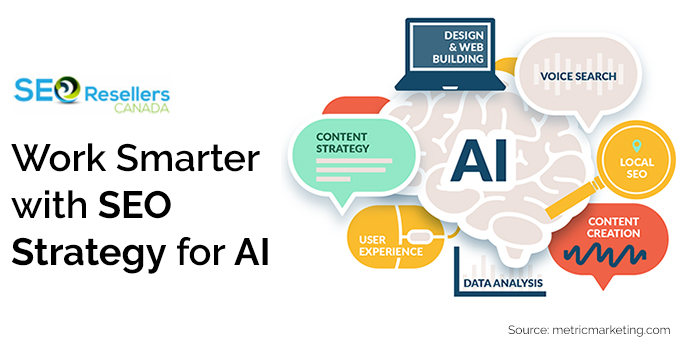
Your SEO strategy for AI should include:
- Creating question-based content
- Giving short, direct answers
- Using schema
- Strengthening authority links
- Improving E-E-A-T (Experience, Expertise, Authoritativeness, Trustworthiness)
When Google trusts your website, it uses your content more in AI Overviews.
9- Why You Still Need SEO Services?
Some people think SEO is dead. It is not true. SEO company experts now help you rank for both clicks and AI summaries. They help your content get cited in AI responses. They enhance content organization, branding, schema and authority. Good SEO services will keep you visible and trusted in AI driven search results, even if organic traffic declines.
10- Over to you
Your organic traffic can decrease, but your brand does not need to vanish. The search world has changed, but you can still stay visible and trusted. Focus on building simple, clear, and helpful content that AI can use. Do not chase only clicks. Aim for visibility, trust, and a strong brand presence. With the right SEO strategy for AI, you can turn a traffic drop into a major growth moment.
11- FAQs
11.1- How long does it take to recover traffic after optimizing for AI?
The recovery time depends on the industry and the website. Most of the sites achieve initial improvements in a span of two to three months. Complete recovery may take half a year or more. Focus on getting cited in AI Overviews first. These citations create authority in the long run. Your brand recognition grows even without immediate spikes in the traffic. This new SEO environment requires patience.
11.2- Should I stop focusing on traditional SEO rankings?
No. Traditional rankings still matter significantly. They work together with AI optimization. Your ranking position affects AI citation likelihood. Higher-ranked content gets referenced more often. Keep building quality backlinks. Maintain technical SEO best practices. Add AI optimization on top of this foundation. Both strategies working together delivers the best results.
11.3- Can small businesses compete in AI-driven search results?
Absolutely. There is no need to panic. Small businesses can still survive if they are smart enough. Concentrate on your core activities and provide clear answers. The content you produce should be in the language of your specific audience.
Make sure to use structured data so that AI can really understand what you are saying. Develop your local profile and ensure that people recognize your brand. You don’t need a huge budget; what matters is having a sharp plan. When it comes to AI, quality always beats quantity.