Search visibility no longer depends only on blue links and rankings. Google now answers many queries directly through Google AI Overviews. And this has changed how users consume information. It has even impacted how brands earn exposure.
According to research, 78.1% of SEO experts report a positive ROI from link-building efforts. Also, 67.5% of businesses claim that link-building positively impacts their SERPs. Also, Google uses links to assess authority and trust. These realities place new pressure on agencies to rethink link building as a credibility driver and a volume tactic.
AI-generated summaries pull insights from multiple trusted sources. They reward brands that demonstrate authority and relevance. They also reward consistency across the web. For agencies, this shift changes the commercial value of links. It also impacts the methods used to acquire them.
AI-driven search results now reward quality signals that machines can interpret with confidence. This blog explains how that shift affects modern SEO delivery. Let us learn why agencies must adapt their SEO strategy for AI.
1- What Are Google AI Overviews, and Why Do They Matter for SEO?
1.1- Comprehending AI Overviews in Generative Search
Google AI Overviews represents a generative layer within search. Instead of listing results only, Google synthesizes information from several authoritative sources. It then provides a consolidated answer. This experience aligns with generative search SEO. It is where search engines prioritize comprehension over simple retrieval.
From an SEO perspective, this reduces the importance of ranking position alone. Visibility now depends on whether Google’s systems trust a brand enough to reference it as a source. That trust comes from consistent authority signals and strong content. It also comes from credible links. AI Overviews SEO therefore requires agencies to optimize for inclusion and citation. In short, agencies must think beyond just clicks.
1.2- How Google Selects Sources for AI Overviews
Google considers sources in terms of topical relevance. They go to the extent of considering historical authority and linking credibility. Links are validation indicators that prove proficiency. They assist AI models in identifying which entities are always right with the information they provide.
This approach aligns with Google’s broader entity-based understanding of the web. Brands with clear topical focus and strong editorial links become reliable reference points. Agencies that still rely on transactional link placement risk losing relevance in Google AI Mode.
2- How AI-Driven Search Results Are Redefining Link Value
2.1- From Link Quantity to Citation Quality
The value of a link now lies in its context. Editorial relevance, placement as well as semantic alignment matter more than raw numbers. Link-building strategies in SEO that focus on scale alone no longer provide predictable outcomes.
In an AI-driven environment, a single citation from a trusted publication can outweigh dozens of low-context links. AI systems interpret these citations as endorsements of expertise. This shift pushes agencies to prioritize quality-led link-building strategy development.
2.2- The Role of Brand Mentions and Implied Links
AI systems recognize brand mentions. They can do so even when the brands are not hyperlinked. These implied links strengthen entity recognition. It even supports how to increase website authority at a semantic level.
Consistent brand references across authoritative sources reinforce trust signals. For agencies, this expands the scope of AI-driven link building. It does so beyond traditional outreach. It introduces digital PR, thought leadership and expert commentary as core link acquisition channels.
3- Why Are Traditional Link-Building Strategies in SEO Losing Effectiveness?
Traditional link building depended much on the foreseeable strategies. Guest posts, directory listings, and scaled outreach used to bring quantifiable benefit. Such strategies are no longer effective today in AI-based search results.
AI models can assess content patterns and link intent. Generic placements with little editorial value carry less weight. Experts report an increased volatility around links that appear manipulative or overly optimized. This creates risk for agencies that fail to modernize.
Traditional tactics also struggle to influence Google AI Overviews. It is because they lack contextual authority. So, agencies must move away from mechanical execution. Instead, they ought to lean on strategic authority building.
3.1- Traditional Link Building vs AI-Driven Link Building
| Aspect |
Traditional Approach |
AI-Driven Approach |
| Primary Objective |
Improve rankings |
Build authority and trust |
| Link Source |
Scaled placements |
Editorial references |
| Context |
Often generic |
Highly relevant |
| Measurement |
SERP position |
AI visibility and citations |
4- What Does AI-Driven Link Building Look Like Today?
4.1- Editorial Authority Over Outreach Automation
Modern AI-driven link building emphasizes editorial credibility. Agencies focus on earning placements through original insights. They even use expert opinions and data-led content for the same. Outreach becomes relationship-based rather than volume-based.
This approach aligns with how AI systems evaluate trust. Also, editorial links signal human validation. They help AI models identify content worth referencing. Automation still plays a role, but strategy leads execution.
4.2- Topical Authority and Entity-Based SEO
AI systems evaluate websites as entities within topic ecosystems. A brand that publishes consistently around a core theme sends strong relevance signals. Links that reinforce such a theme amplify authority.
Agencies must build content clusters supported by credible links. This structure strengthens AI SEO performance and supports long-term visibility. It also improves organic traffic resilience as search layouts continue to evolve.
5- How Should Agencies Adapt Their SEO Strategy for AI?
5.1- Aligning Content, PR, and SEO Teams
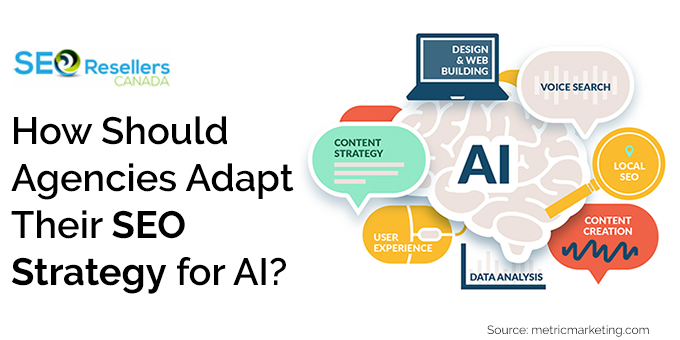
Siloed execution has little to no impact. Agencies require integrated workflows. That means they must bring together their content, PR, and SEO teams to collaborate. SEO consulting now includes advising on messaging as well as expert positioning. They even aid with media engagement.
This alignment ensures that link acquisition supports broader authority goals. It also improves consistency across channels. Such an approach is valued by AI systems when evaluating trust.
5.2- Building Link Assets That AI Systems Trust
AI systems reward originality. This is why agencies should invest in assets that attract natural citations. These include proprietary research, industry surveys, and expert-led insights. These assets support efforts to build quality backlinks. And it does so without any manipulation.
It is consistently seen that most pages receiving organic traffic have at least one referring domain. In an AI context, those domains must also demonstrate editorial credibility. Asset-led strategies deliver that credibility at scale.
6- Measuring Link Performance in an AI Overview Environment

6.1- New KPIs Beyond Rankings
Rankings remain useful, but they no longer tell the full story. Agencies must measure visibility within AI Overviews SEO and brand mentions. They should gauge it in citation frequency across authoritative sites, too.
These indicators reflect if the AI systems will recognize a brand as a trusted source. They also provide insight into long-term authority growth.
6.2- Relationship Between Links and Organic Traffic
Even when AI Overviews decrease click-through rates, links still impact discovery. Trusted brands appear repeatedly across AI-generated answers. And this reinforces recall and downstream engagement.
Experts note it that authority signals continue to correlate with sustained organic traffic. It continues to do so even when SERP layouts change. For agencies, this reinforces the commercial value of strategic link building.
7- How AI SEO Agencies Are Restructuring Link Building Services
7.1- The Rise of the AI SEO Agency Model
An AI SEO agency positions link building as a section of a wider authority framework. Services integrate digital marketing, PR as well as SEO to influence how AI systems perceive brands.
This model focuses on strategic outcomes. It moves away from deliverable-based pricing toward value-based engagement. Agencies that adopt this approach future-proof their offerings.
7.2- What Buyers Should Expect from SEO Services Today
Modern SEO services emphasize transparency. It takes into account relevance & measurable authority growth. Buyers should expect reporting that reflects AI visibility. It is time they must go beyond just rankings.
A credible SEO agency explains how links support brand authority. They even define AI inclusion. They avoid guarantees tied solely to positions or focus on sustainable performance.
8- How to Find a Reliable SEO Company in the Age of AI
8.1- Evaluating an SEO Company’s AI Readiness
Businesses evaluating how to find a reliable SEO company should evaluate its comprehension of AI search. Relevant questions include
- How does the agency earn links?
- How does the agency measure authority?
Agencies that still rely on outdated link-building strategies in SEO may struggle to deliver long-term value. Strategic clarity is more critical than tactical volume.
8.2- Strategic vs Tactical SEO Partnerships
Short-term link campaigns deliver limited impact in an AI-first environment. Long-term partnerships that are grounded in SEO consulting create compounding authority benefits.
A strategic SEO company acts as an advisor. It aligns SEO with broader business goals. It even adapts as search technology evolves.
9- The Future of Link Building Strategy in an AI-First Search Ecosystem
Links are no longer shortcuts to rankings. They work as trust validators within AI systems. Brands that invest in authority now will benefit as Google AI Mode expands.
Agencies that comprehend this shift can navigate clients through complexity. They can generate defensible visibility that survives algorithm changes. SEO strategy for AI therefore becomes a board-level consideration. It is high time to consider it beyond just a technical afterthought.
10- Conclusion
AI Overviews SEO forces agencies to rethink fundamentals. Link building now supports trust and relevance. It even generates authority in AI-generated experiences. Agencies that change their strategy will safeguard client visibility and commercial worth.
Those that hold on to the old models are at risk of becoming obsolete. Credibility is compounded in an AI-driven world. Strategic AI SEO ensures brands remain visible and referenced. It ensures your brand is trusted beyond expectations.
11- FAQs
11.1- How do AI Overviews change the role of link building?
AI Overviews prioritize trusted sources. Link building now focuses on earning editorial citations that confirm authority. It no longer sticks to just acquiring links purely to influence rankings.
11.2- Is link building still relevant for organic traffic?
Yes. High-quality links support brand trust and discovery. They determine the frequency of AI systems making reference to a brand. And that indirectly supports organic traffic in the long run.
11.3- What should businesses look for in an AI SEO agency?
Businesses should seek strategic thinking and transparency. They must focus on authority-led execution, too. An effective agency aligns link building with AI visibility. This means reliable agencies value efforts beyond traditional ranking metrics.