White label SEO reports should monitor AI search visibility, organic traffic, keyword rankings, conversions, technical performance, backlinks, and more. Agencies should also track brand mentions, website citations, and incoming referral traffic from ChatGPT and other AI answer engines to show that their SEO campaign is making a positive impact for their clients.
The answer should not track “What activities we have done,” but “how our activities help win leads and new business for you” for the agency’s end clients.
1- Why White Label SEO Reports Matter
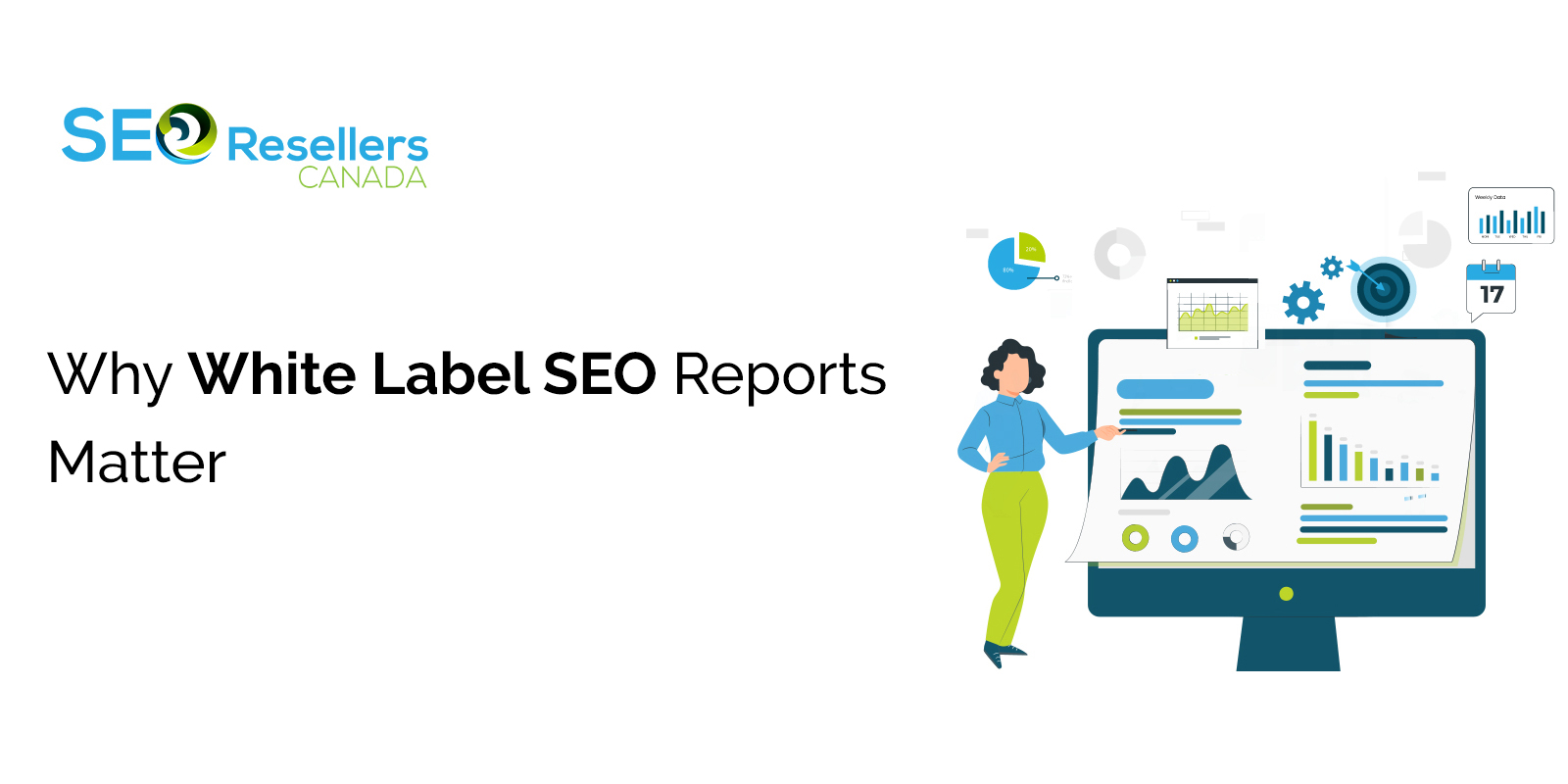
White label SEO reports allow agencies to present SEO performance under their own branding, while an external agency looks after campaign execution.
But attractive presentation is not enough to show value.
Reports must articulate where the campaign began, what changed, how far you have come, and how the changes support business goals.
For instance, if increased organic traffic may benefit an online publisher. But a Toronto dental practice might be more concerned with enquiries regarding appointments.
Effective ‘before and after’ SEO reports capture these differences. This ensures agencies maintain accountability and can build trust with clients.
Here are some key metrics to track in reports offered by SEO reseller agencies.
1.1- Organic Traffic and Traffic Quality

Organic traffic refers to the number of users visiting a site that click on unpaid search results. Google Analytics 4 (GA4) gives agencies an insight into traffic sources, landing pages, engagement, and conversions.
But with traffic comes no guarantee of performance. Hundreds of visitors could come to your campaign but still not produce any qualified lead. The following variables should be monitored when using white label SEO reports:
- Organic sessions and traffic statistics.
- High-performing landing pages.
- Visitor actions and engagement rates.
- Inbound traffic to target locations.
- Visits to pages of commercial interest.
Geographic reporting can be used to gauge campaign performance in relevant cities/geographic areas and provinces for Canadian clients.
You should compare performance with prior periods taking into consideration seasonal demand and website changes.
1.2- Keyword Rankings and Search Visibility
Keyword rankings remain useful for searches closely related to a client’s products or services. Reporting hundreds of keyword positions without any context though, is not particularly informative.
The SEO agency client needs to get a clear report. So keywords will be classified by search intent, commercial relevance and target location.
For example, a Vancouver accounting firm might focus on searches for corporate tax services and bookkeeping services instead of general accounting details.
In my experience providing white label SEO services, these are the important metrics:
- Ranking changes for priority keywords.
- Keywords appearing in the top 10 results.
- Search visibility for service pages.
- Impressions, clicks and click through rates.
Google Search Console can give you a lot of insights into these metrics. The reports should clarify if better-ranking is driving more visibility and relevant visits to the website.
1.3- Organic Conversions, Leads, and Revenue

This is usually the most crucial information section to report. Consider an example where you manage to boost the volume of organic visitors by 30% on a website. What if the number of inquiries stays the same?
SEO agencies should connect SEO performance with actions that support business growth. Depending on the client, they can be everything from contact form submissions, phone enquiries, appointment bookings, purchases, or quotation requests. For example, an eCommerce business will monitor organic revenue and purchase conversion rates.
The quality of lead is also important. Fifty unrelated inquiries might be worth ten enquiries from suitable prospects.
If possible, integrate analytics and CRM to determine which organic leads convert to customers.
Also, it is better to avoid saying that all sales are due to SEO if other marketing tactics are involved.
1.4- AI Search Visibility in ChatGPT & Other Answer Engines
In 2027, traditional rankings do not capture all channels by which individuals find businesses online. Users are relying more and more on ChatGPT, Microsoft Copilot, Google’s AI-powered search tools and other answer engines to give them suggestions, comparisons and information. As a result, agencies should consider adding AI visibility metrics to their ‘white label’ SEO reports.
Key AI Visibility Metrics
- Brand mentions: Are answers from AI containing mentions of the client’s brand?
- Citations: Do search engines link to or make reference to the client’s website?
- Prompt visibility: Do the brand show up on the same group of relevant prompts often?
- Competitor mentions: Who shows up in the client’s business’s mentions if they do not show up?
- AI referral traffic: Number of visitors from known AI platforms and conversion rate.
How to Measure AI Visibility
- Monitor brand mentions and citations. Test relevant questions on AI platforms or use specialised AI visibility tools like SEMrush. They help check if the client’s brand is mentioned or not.
- Track AI referral traffic- There are some types of AI referral sources that GA4 is able to identify. Specialist monitoring systems and controlled prompt testing also can be helpful.
- Measure visibility over time. Test the same set of questions regularly and record brand mentions and website citations, along with competitive appearance to identify trends.
1.5- Technical SEO and Site Performance

Issues in technical SEO can be bad. It prevents search engines from finding, comprehending or indexing meaningful website pages. These issues should be addressed by agencies and discuss with their clients how solving them helps search performance.
Three important things to watch for:
- Page speed and user experience- Review Core Web Vitals metrics for the page. Also check its mobile usability. The data will uncover issues affecting users and search results.
- Technical errors and fixes- Do you find broken links, redirect problems, canonical tag issues or other technical errors? Then report them. Point out changes made and pending priorities.
- Crawlability and Indexing- Check pages that are not accessible or not indexed. You can get this information on Google Search Console. Monitor key issues resolved during the reporting period.
Don’t just provide a lengthy technical audit. Your SEO packages should include reporting that explains to the client which improvements matter for his website, and pending priorities.
1.6- Backlink Quality and Referring Domains
Backlinks can help establish a website’s credibility and relevance in search results. But agencies need to judge the quality of the links not just how many links they’ve collected.
There are three metrics that are useful to track.
- New referring domains- Number of unique websites linking to the client’s website. Make sure to verify if these domains are relevant to the client’s business.
- Relevance and quality of backlinks- Check topical relevance and authority of incoming links. A relevant editorial link can be more beneficial than multiple links that don’t relate to the topic.
- Missing or suspicious links- Recognize the valuable links that are lost and check suspicious link patterns that may need further investigation.
White label SEO reports should also mention how the backlinks were acquired and if link building practices are in accordance with Google’s spam policies.
1.7- Content Performance & Page-Level Results
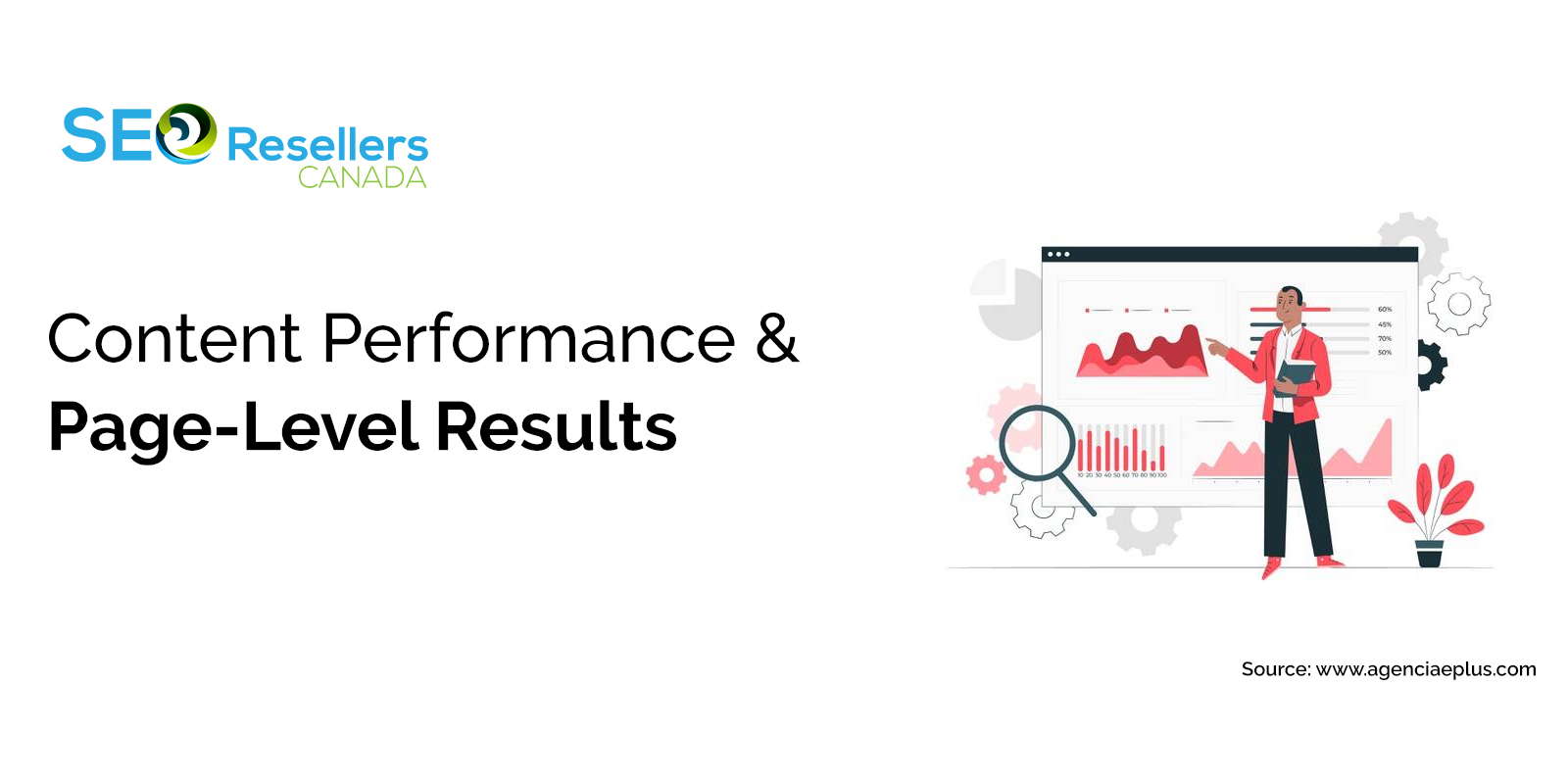
Article marketing, web page optimization are very significant SEO efforts. But the client should know if there have been positive changes to visibility if the right people are coming to the site and whether it is creating opportunities to make business.
There are three important areas to monitor.
- Organic traffic by page- Understand which blogs, landing pages and service pages bring in traffic from search engines. Compare their performance over time.
- Keyword visibility and engagement- Check impressions and clicks data for key pages. Also assess the keywords ranked and visitor engagement. This will help get insights on their page performance.
- Conversions and content effectiveness- Track enquiries or purchases that occurs through crucial pages. Pinpoint underperforming content performance that needs improvement.
For example, a web page generating 10 qualified enquiries might be more valuable to the business than a blog that gets a hundred users who don’t convert.
Areas of success, areas in need of optimisation and recommended actions for the next reporting period should be highlighted in content reporting.
2- Practical White Label SEO Reporting Checklist
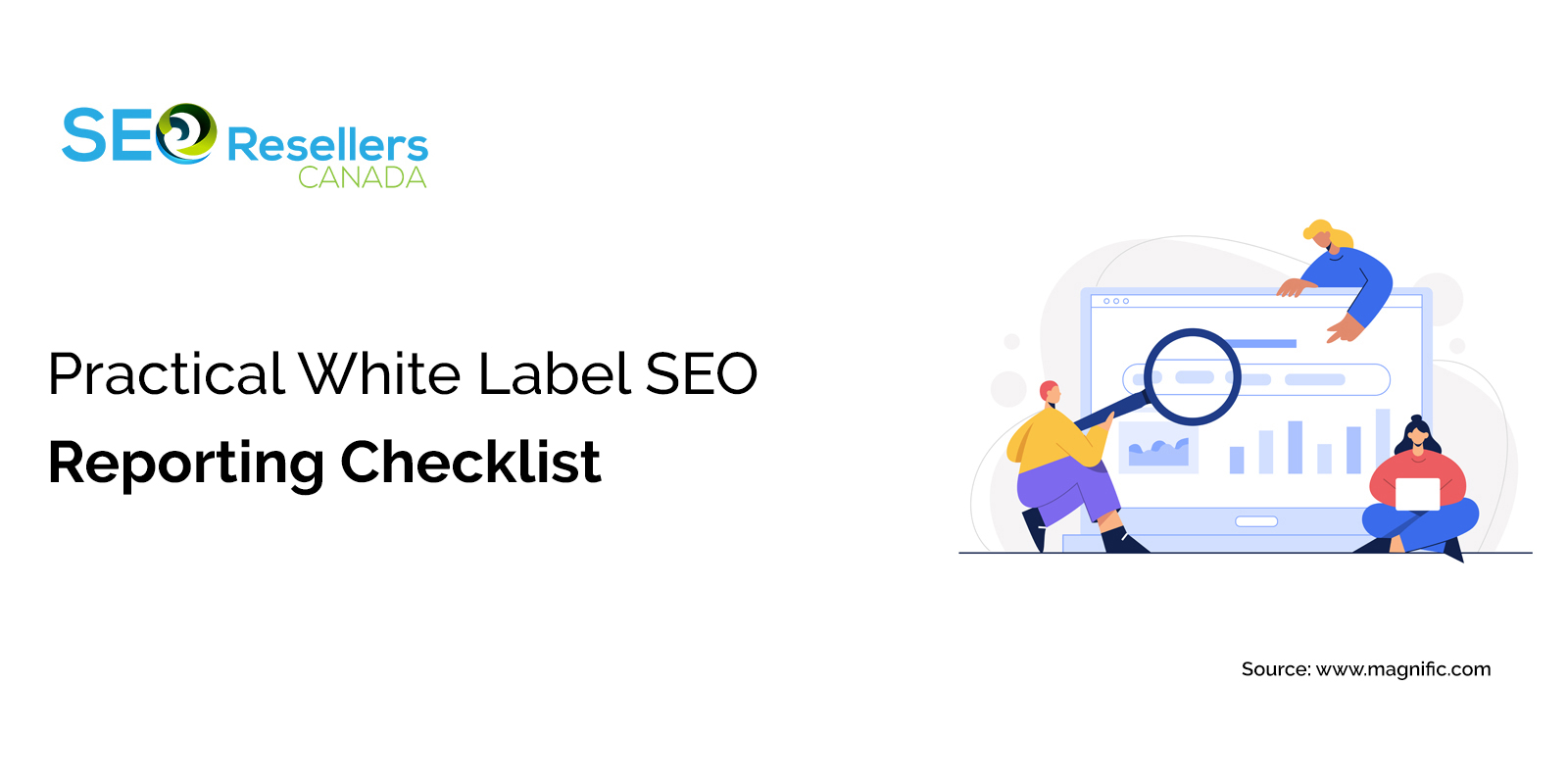
Before sending a monthly report, ensure that it includes-
- Executive summary with key outcomes.
- Organic traffic, engagement and landing page performance.
- Priority rankings, impressions, clicks and CTR.
- Organic conversions, leads and revenue.
- Brand mentions in ChatGPT or other AI answer engines.
- AI citations, prompt visibility and referral traffic.
- Technical SEO enhancements and issues to address.
- The quality of backlinks and referring sites.
- Opportunities for content performance and optimisation.
- Local SEO results, if applicable.
- Completed tasks and list of tasks for the following month.
3- Conclusion
A practical SEO reporting approach helps your SEO reseller services agency. You can present it to your client agency to provide valuable insights on what was done and how it impacted business revenues. Use this checklist to know what to include in a strong SEO reseller report for campaign performance.
4- FAQ
4.1- What should be included in a monthly white label SEO report?
You can include metrics like traffic and ranking, conversion and technical SEO. Even backlinks, content performance and AI visibility data can be provided in a monthly report. It should show the activities completed and next steps.
4.2- How can client agencies track website visibility in ChatGPT?
Agencies can track brand mentions and citations via regular prompt testing, via AI tools, and through website traffic that can be identified as referral traffic.
4.3- Why should agencies track conversions instead of rankings?
Rankings are a sign of search visibility, and conversions measure valuable visitor actions. Tracking both help agencies understand if SEO efforts are helping to meet business goals or not.