If you have searched for your business on Google and your listing does not appear, you are not alone. Thousands of businesses experience this issue every month, and most have no idea why. Online marketing in Canada has shifted heavily towards local visibility, and Google Maps is often the first place a potential customer looks before they ever visit a website.
This blog will walk through the real reasons businesses go missing on Maps, why a Google listing matters so much, and what you can actually do to fix it.
0.1- Why It's Important to Have a Google Map Listing
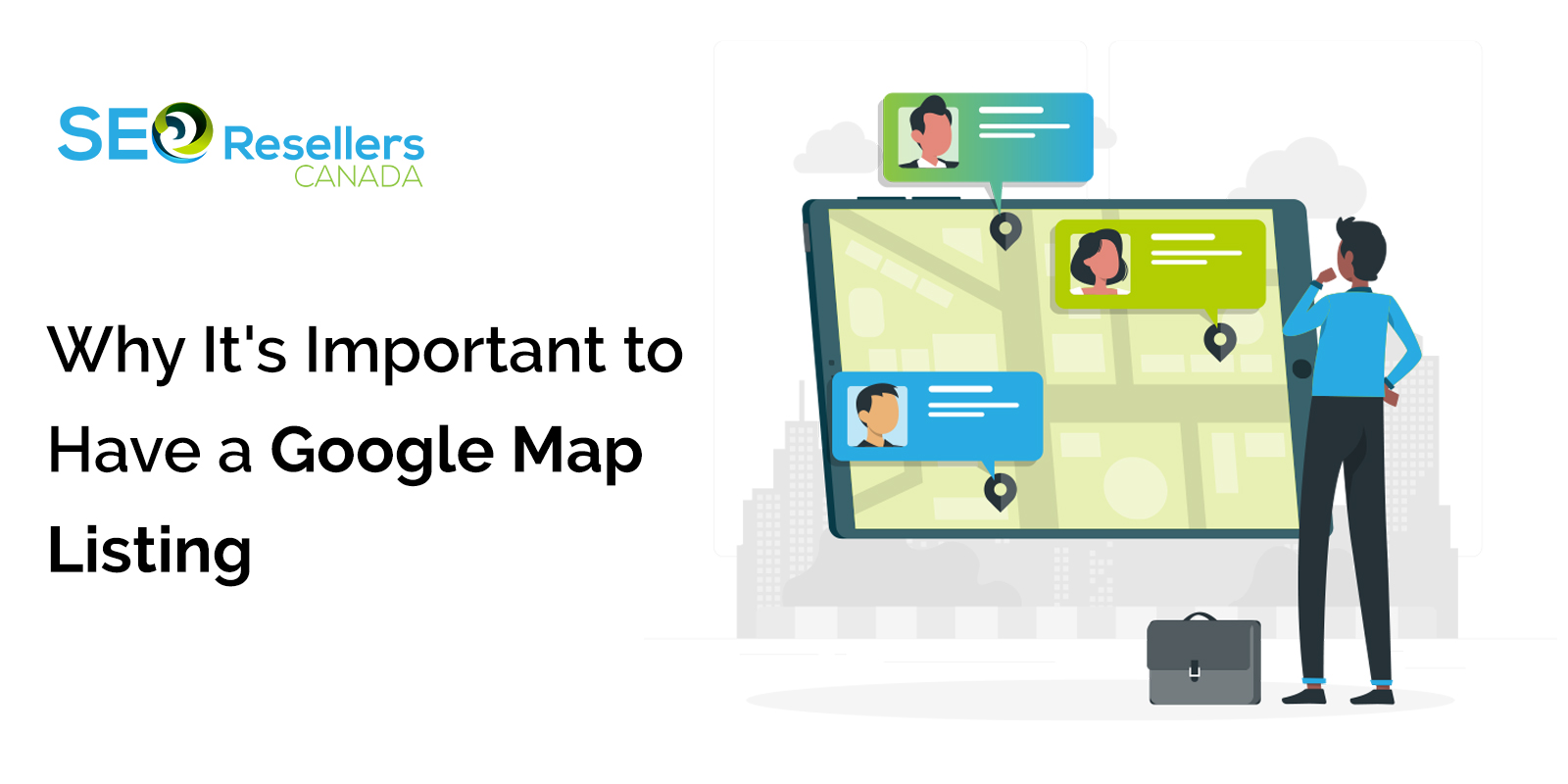
Before reviewing the solutions, it helps to understand just how much weight a map listing carries. In 2026, more than 80% of local searches will display results through Google Maps, and 76% of people who search for something nearby visit that business within 24 hours. That is not a small number. It means the businesses that show up on the map are capturing walk-ins, phone calls, and bookings that competitors never even get a chance at.
For anyone targeting Google Maps in Victoria, Canada, this matters even more because local customers in mid-sized cities tend to rely on Maps rather than scrolling through pages of organic results. A missing or poorly optimized listing does not just mean lower rankings. It means invisibility at the exact moment a customer is ready to buy.
Here is why a Google Map listing carries so much weight for local businesses:
- It appears above organic search results in most local queries.
- It builds instant trust through reviews, photos, and business details.
- It gives customers directions, hours, and contact options without leaving Google.
- It works around the clock as a free storefront that never closes.
0.2- Common Reasons Your Business Isn't Showing Up on Maps

There is rarely one single culprit. Usually, it is a combination of small oversights that add up to a big visibility problem. Some of the most common issues include:
- Unverified profile: About 56% of Google Business Profiles are just sitting there, unclaimed. Google notices, and it won’t push an unverified listing to the front.
- Incomplete information: Fill in your hours, category, and photos, and you’ll see roughly 70% more visits. It really is that simple.
- Wrong or vague business category: “Restaurant” is fine, but “Pizza Restaurant” tells Google exactly who to show you to. Vagueness just costs you rankings.
- Inconsistent NAP data: Your name, address, and phone number need to match everywhere. If they don’t, Google gets stuck guessing which version is real.
- Few or no reviews: Nearly half of consumers will not consider a business with fewer than 20
- No recent activity: Profiles with regular posts and photo updates appear roughly three times more often in the top three map results.
For example, a business running local SEO in Abbotsford, these gaps tend to show up quickly because the local market is competitive across trades like home services, dental, and retail. A single missing category or a stale profile can be the difference between ranking in the top three and disappearing on page two.
0.3- How to Optimize Your Google Business Profile for Better Local Rankings

Google Business Profile optimization in Canada has become one of the highest-leverage marketing activities available to small businesses, largely because Google Business Profile signals now account for roughly 32% of all local pack and Maps ranking factors.
Here is a practical checklist to work through:
| Optimization Step |
Why It Matters |
| Claim and verify your listing |
Unverified listings are far less likely to show up in search. |
| Choose a specific primary category |
Category is the single most influential local ranking factor. |
| Fill out every section completely |
Complete profiles get 70% more location visits. |
| Add high-quality photos regularly |
Listings with 100+ photos receive 520% more calls. |
| Respond to reviews within hours |
Fast responses to reviews lead to 19% more website click-throughs. |
| Keep hours and services current |
Accuracy builds trust and reduces bounce from Maps to competitors. |
The businesses that treat their profile as an active channel, rather than something they set up once and forget, are the ones pulling ahead in 2026. Google’s own data shows that complete profiles make customers 2.7 times more likely to view a business as reputable, which translates directly into more clicks, calls, and store visits.
0.3.1- Why Local Citations Matter for Your Google Maps Ranking
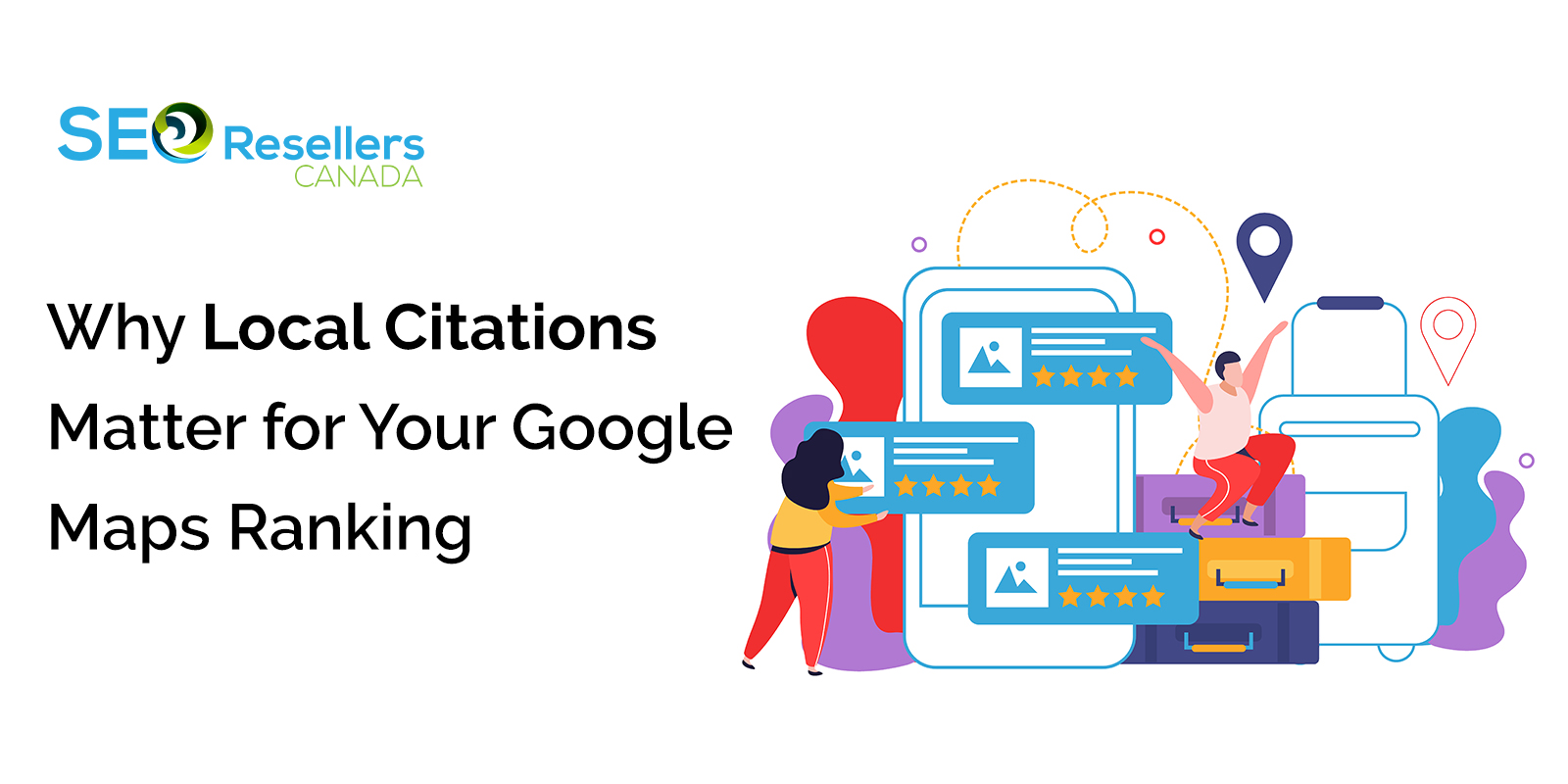
A citation is any online mention of your business name, address, and phone number, whether that is on a directory, industry association page, or local news site. These might seem minor, but consistent citations are one of the clearest trust signals Google uses to confirm your business is real and active.
Businesses that are serious about local SEO cannot afford to ignore this part. Consistent NAP data across multiple listings has been shown to deliver a boost in local SEO performance. That is a meaningful jump for something that mostly comes down to cleanup work.
A few reasons citations carry so much influence:
- They confirm your business exists at the location you claim
- They reinforce relevance for the services and categories you list
- They help Google cross-check accuracy when your website and profile do not fully agree
- They contribute directly to prominence, one of the three core local ranking pillars alongside relevance and distance
Cleaning up duplicate or outdated citations and making sure every directory listing matches your Google Business Profile exactly is one of the simplest ways to recover lost ranking ground.
0.4- When DIY Isn't Enough: Working with an SEO Expert
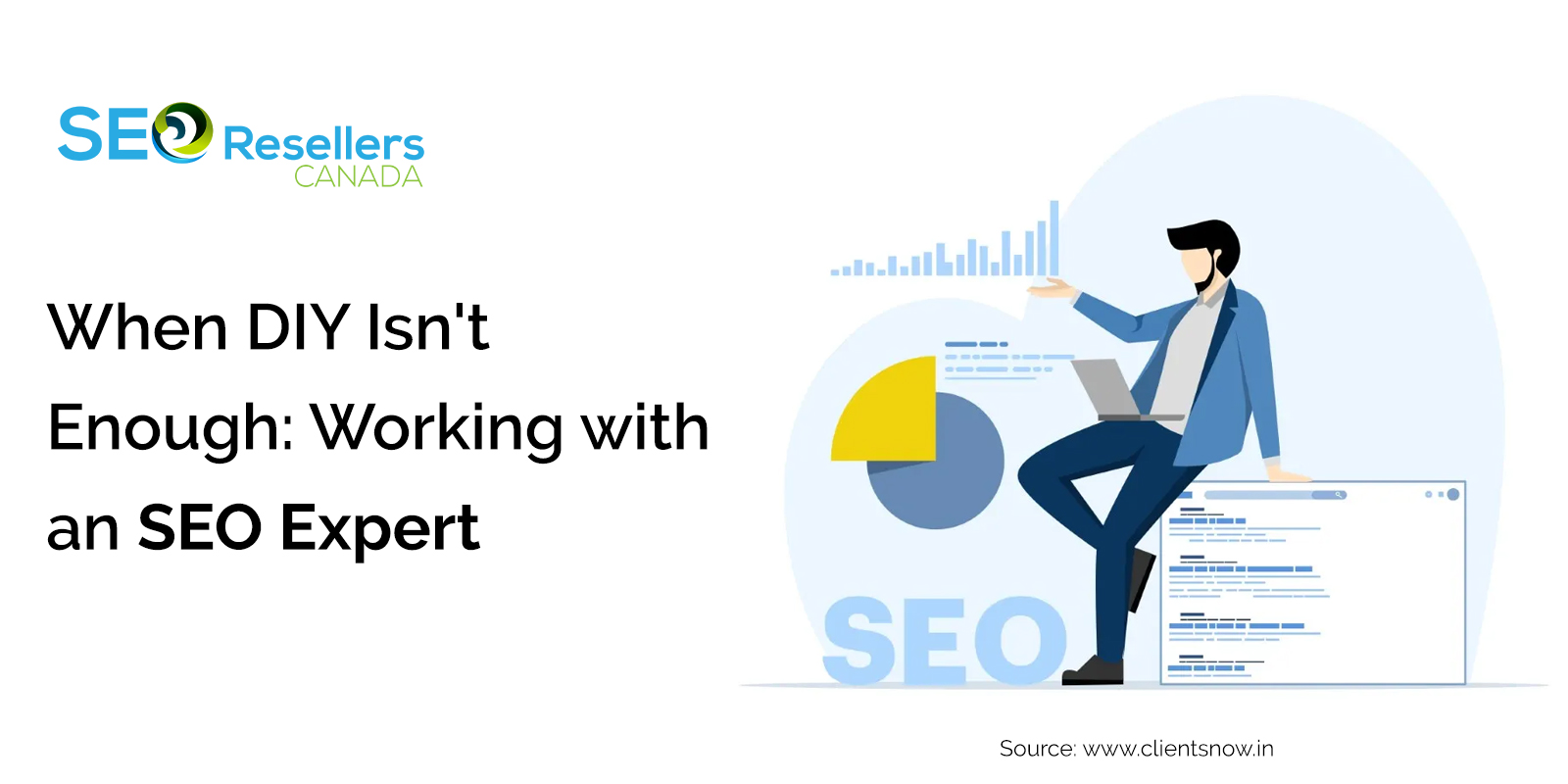
Many business owners start out managing their own profile, and that is a reasonable place to begin. But local search has grown more technical, with AI-driven relevance signals, behavioral tracking, and constantly shifting ranking weights. At some point, the time investment stops making sense compared to the results.
This is usually when bringing in an SEO expert starts to pay off. A specialist knows how to diagnose exactly why a listing has stalled, whether that is a citation mismatch, a weak category choice, or a review strategy that is not converting into rankings. They also stay current on changes Google rolls out throughout the year, something that is difficult for a business owner juggling daily operations to track on their own.
Signs it might be time to bring in outside help include:
- Your listing has shown little improvement in the rankings for several months, despite regular posting
- You are unsure which category or attributes best represent your business
- Review volume has stalled, or negative reviews are going unanswered
- Citations across the web are inconsistent, and you do not know where to start
0.5- Choosing the Right GBP Optimization Services

Not all agencies approach this the same way, so it is worth knowing what to look for before signing on. Strong GBP optimization services should include profile audits, category and attribute refinement, citation building and cleanup, review management support, and ongoing post-scheduling rather than a one-time setup.
Look for a provider that treats your profile as an evolving asset rather than a checklist to complete once. Ask how they measure success, whether that is calls, direction requests, or website clicks generated directly from Maps, and whether they provide regular reporting so you can see the impact over time.
0.6- Conclusion
Showing up on Google Maps is not luck. It comes down to a verified profile, accurate details, consistent citations, and steady engagement through reviews and posts. Businesses that treat their Google Business Profile as an active channel consistently outrank those that set it up once and walk away. If your listing has gone quiet, the fixes above are the place to start, and professional help can accelerate results when time or expertise runs short.
0.7- FAQs
1. Why did my business disappear from Google Maps after being visible before?
It’s almost always one of three things: your profile got suspended, it slipped back into an unverified state, or your business info stopped matching up across the web. The quickest way to figure out which one it is? Log into your Google Business Profile dashboard and check for alerts. Nine times out of ten, Google will actually tell you what went wrong.
2. How long does it take to see results after optimizing a Google Business Profile?
You’ll usually notice some movement within four to eight weeks if you’re staying consistent with it. That said, don’t expect overnight magic, especially if you’re in a crowded category. Real, lasting results tend to take a few months of steady work, not a quick fix.
3. Do reviews really affect Google Maps rankings?
Yes, it affects more than most people realize. Reviews are one of the biggest trust signals Google leans on, and businesses with more (and better) reviews tend to beat out competitors with near-identical profiles but a thinner review count. If you’re not actively asking happy customers to leave one, you’re leaving rankings on the table.
4. Is a website necessary if I already have a Google Business Profile?
It really is, even with a solid profile. Your website gives you room to build credibility and share details your Maps listing simply can’t hold. Google also looks at your site alongside your profile when deciding how prominent to make you, so skipping it puts you at a disadvantage.
5. Can I fix my Google Maps ranking myself, or do I need an agency?
The basics, filling out your profile fully and posting regularly, are things most owners can handle on their own. But if you’re in a competitive market or you’ve been stuck for a while despite doing everything “right,” that’s usually a sign it’s worth bringing in someone who does this for a living. It tends to save you both time and frustration.